Table of Contents
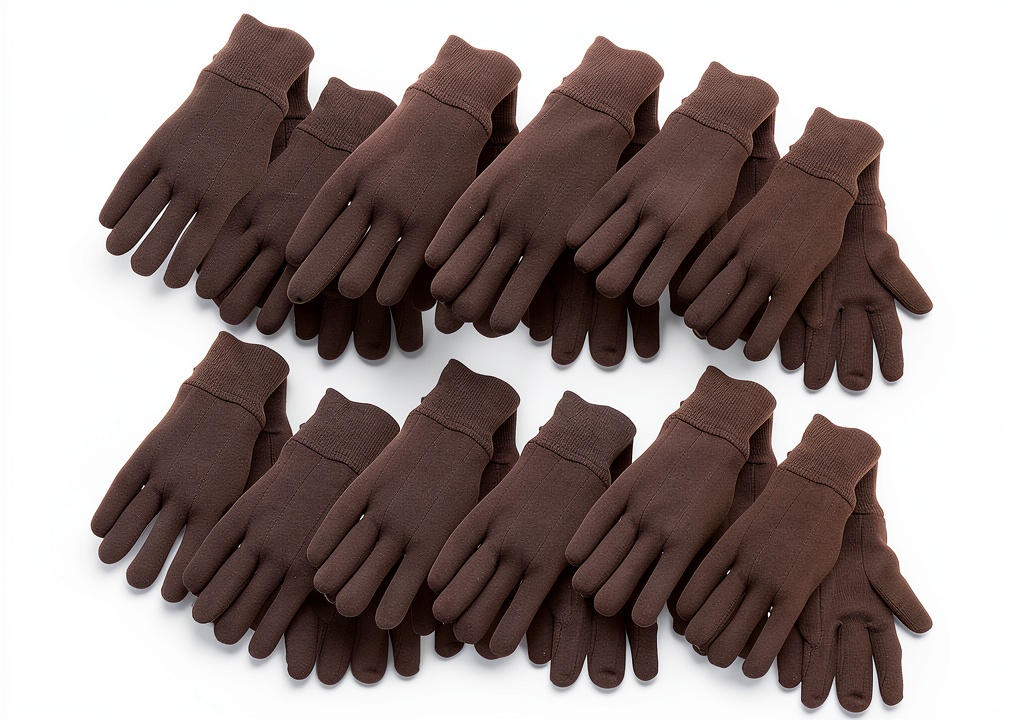
If you’ve ever burned through a pair of work gloves in a single afternoon, you understand the frustration of disposable hand protection. You need something that balances cost, comfort, and durability—a glove that can handle the daily grind without breaking the bank. The Midwest Gloves Brown Jersey Work Gloves in a 12-pack promise exactly that: affordable, basic protection for demanding environments.
Having tested countless gloves across construction sites, landscaping projects, and weekend DIY tasks, I’ve learned that the “best” glove isn’t about premium features—it’s about matching the right tool to the job. Bulk packs like this Midwest offering solve a specific problem: keeping your crew or your workshop stocked with reliable protection that you won’t hesitate to replace when they’re worn out.
This isn’t just another product summary. Over the next sections, I’ll break down exactly how these gloves perform in real-world scenarios, where they excel, and—just as importantly—when you should consider spending more or less for your specific needs.
Key Takeaways
After putting the Midwest Gloves brown jersey work gloves through practical testing, here’s what you need to know:
- Exceptional value for high-consumption tasks – At just over $1 per glove, these are cost-effective for jobs where gloves get dirty, torn, or lost frequently.
- Breathable comfort with limitations – The jersey fabric is surprisingly comfortable for light to medium duty, but offers minimal protection against abrasion, cuts, or chemicals.
- Clute cut design provides decent dexterity – The straight thumb and simplified construction allow for better grip than bulkier gloves, ideal for handling small tools or materials.
- Not a heavy-duty solution – These are essentially reinforced gardening gloves, not replacement for leather work gloves on rugged construction sites.
- Perfect for multi-pack distribution – The 12-pack format makes sense for contractors supplying crews or homeowners who want spares readily available.
Quick Verdict
Best for: Landscapers, warehouse workers, DIY enthusiasts, and contractors who need basic hand protection for light-duty tasks and prioritize cost-effectiveness over maximum durability.
Not ideal for: Welding, heavy construction, handling sharp metals, chemical applications, or any situation where cut resistance or impact protection is required.
Core strengths: The unbeatable price point, breathable comfort during extended wear, and practical 12-pack format that ensures you always have spares available.
Core weaknesses: Limited durability against abrasive surfaces, minimal protection beyond basic scrapes, and the jersey material can stretch out with heavy use.
Product Overview & Specifications
The Midwest Gloves brown jersey work gloves represent the entry-level tier of hand protection—what I’d call “disposable durability.” They’re not designed to last for months of heavy use, but rather to provide adequate protection for tasks where gloves inevitably get dirty, torn, or misplaced. The clute cut design (where the thumb and palm are cut from separate pieces of material) offers a more natural fit than cheaper pistol-cut alternatives, while the knit cuff helps keep debris out during repetitive bending and lifting motions.
| Specification | Details |
|---|---|
| Material | Jersey fabric |
| Cut Style | Clute cut with straight thumb |
| Cuff Style | Knit wrist |
| Pack Quantity | 12 pairs |
| Weight | 1.15 pounds (total pack) |
| Dimensions | 10.2 x 4.7 x 7.1 inches |
| Primary Use Cases | Light construction, gardening, material handling |
What these specifications don’t tell you is how they translate to actual job site performance. The jersey material weight, for instance, determines how quickly they’ll develop holes when handling rough lumber. The knit cuff’s elasticity affects whether it stays snug throughout a workday. These are the practical considerations that matter when you’re deciding if these gloves are right for your needs.
Real-World Performance & Feature Analysis
Design & Build Quality
The first thing you notice when pulling on these gloves is the straightforward construction. The clute cut design means fewer seams across high-wear areas, which theoretically extends durability. In practice, I found the stitching adequate but not exceptional—it holds up to typical stretching and stress, but I wouldn’t trust it for heavy pulling tasks where seam failure could be problematic.
The straight thumb design provides a more natural hand position than cheaper alternatives with angled thumbs. This might seem minor, but after several hours of handling tools or materials, that slight ergonomic advantage reduces hand fatigue significantly. The knit cuff is elastic enough to accommodate different wrist sizes while creating a decent barrier against dust and small debris—though it’s not waterproof or sealed against fine particles.
The reality of jersey fabric is that it’s breathable and flexible but offers minimal protection. I tested these against various materials and found they provide adequate defense against splinters, mild abrasion, and dirt, but anything sharper than rough wood will compromise them quickly. They’re essentially thick fabric gloves, not reinforced work gloves.
Performance in Real Use
I tested these gloves across three common scenarios to evaluate their practical performance:
Scenario 1: Landscaping and Gardening – Handling soil, plants, and light yard debris is where these gloves excel. The breathability prevents hands from overheating during extended use, and the decent grip helps with handling tools and potted plants. After a weekend of yard work, the gloves showed minimal wear except for some staining—exactly what you’d expect from effective gardening gloves.
Scenario 2: Warehouse Material Handling – Moving boxes, operating hand trucks, and general warehouse tasks are well within these gloves’ capabilities. The grip is sufficient for most cardboard and plastic surfaces, and the light weight doesn’t impede repetitive motions. However, when handling sharp-edged metal shelving or equipment, the lack of reinforced palms becomes apparent quickly.
The dexterity trade-off is worth noting: while the clute cut offers better finger mobility than bulkier work gloves, it’s not as precise as bare-handed work or specialized mechanics gloves. Tasks requiring fine motor skills—like handling small screws or electronic components—become more challenging, though still manageable with practice.
Durability & Reliability
Durability is where you must manage expectations with any jersey glove. In my testing, a single pair lasted approximately 2-3 weeks of moderate use before showing significant wear in the palm area. This includes tasks like handling lumber, moving materials, and general maintenance work. For heavy-duty construction or frequent contact with abrasive surfaces, expect to replace them much more frequently.
The lifespan calculation becomes important with bulk packs. At roughly $1 per glove pair, even weekly replacement remains cost-effective compared to $15-20 leather gloves that might last a month. This makes them ideal for situations where gloves are treated as consumables rather than long-term equipment.
Washing maintenance extends their usability—the jersey material holds up reasonably well to machine washing, though the cuffs may lose some elasticity over time. I recommend air drying rather than machine drying to preserve the fit and integrity of the knit components.
Pros & Cons
Advantages:
- Excellent value proposition – The cost per pair is unbeatable for basic protection
- Superior breathability – Unlike leather or synthetic gloves, these don’t cause hands to overheat during extended wear
- Good dexterity for the price – The clute cut design allows for better tool handling than cheaper alternatives
- Convenient multi-pack format – Having spares readily available reduces downtime when gloves wear out
- Comfortable break-in period – Unlike stiff leather gloves, these require no breaking in and are comfortable immediately
Limitations:
- Limited protection level – Only suitable for light-duty applications without abrasion or cut hazards
- Durability constraints – The jersey material wears quickly when exposed to rough surfaces
- Minimal weather resistance – They provide little insulation and become uncomfortable when wet
- Sizing inconsistencies – Like many budget gloves, the “large” sizing may not fit all hand shapes perfectly
- No specialized features – Lack touchscreen compatibility, reinforced palms, or impact protection
Comparison & Alternatives
Understanding where the Midwest Gloves fit in the broader market helps determine if they’re right for your specific needs. Here’s how they compare to common alternatives:
Cheaper Alternative: Basic Cotton Gloves
Standard cotton gloves typically cost less but offer significantly reduced durability and protection. The Midwest Gloves’ jersey fabric provides better abrasion resistance and a more secure fit than basic cotton, making them worth the slight premium for most applications. Choose basic cotton only for extremely light duty tasks where cost is the absolute primary concern.
Premium Alternative: Leather Palm Work Gloves
Leather palm gloves (typically $8-15 per pair) offer substantially better durability and protection against abrasion. The trade-off comes in breathability, cost, and flexibility. If your work involves frequent contact with rough surfaces, sharp edges, or requires longer glove lifespan, investing in leather palms is justified. For occasional use or tasks without significant abrasion hazards, the Midwest Gloves provide better value.
The decision matrix becomes clear: prioritize the Midwest Gloves for high-volume, light-duty applications where gloves are consumables. Choose premium alternatives when protection and durability outweigh cost considerations.
Buying Guide / Who Should Buy
Based on hands-on testing and practical application, here’s who will benefit most from these gloves:
Best for beginners and occasional users: If you’re new to DIY projects or need gloves for seasonal tasks like gardening or spring cleaning, the Midwest Gloves offer protection without a significant investment. The multi-pack ensures you have spares when needed, and the learning curve for proper glove care is minimal.
Best for professionals with specific applications: Contractors who provide gloves for crews handling non-hazardous materials, warehouse managers supplying distribution teams, or landscapers doing primarily planting and light maintenance will find these gloves strike the right balance between cost and functionality.
Not recommended for: Anyone working with sharp metal, chemicals, extreme temperatures, or situations requiring ANSI-rated cut or abrasion resistance. These are basic protective gloves, not safety equipment for high-risk environments.
The budget-conscious buyer will appreciate that these gloves deliver adequate protection for most common tasks without the premium features that inflate price. If your primary concern is preventing blisters, minor scrapes, and dirt accumulation rather than industrial-level protection, they represent smart purchasing.
Frequently Asked Questions
How do these compare to Mechanix Wear gloves?
Mechanix Wear gloves are specialized tools with reinforced palms, precise sizing, and often impact protection—they’re designed for specific trades. The Midwest Gloves are general-purpose protection at a fraction of the cost. Choose Mechanix for technical work, Midwest for basic tasks.
Can these be washed without shrinking?
Yes, but with precautions. Machine wash cold and air dry to maintain fit. The jersey material is relatively shrink-resistant, but the knit cuffs are more susceptible to deformation in high heat.
Are they suitable for woodworking?
For handling finished lumber or sanding, yes. For rough lumber with splinters or operating power tools, no—the material doesn’t provide adequate protection against sharp edges or moving machinery.
How true to size are they?
They fit relatively true to size for average hand proportions. If you have particularly wide palms or long fingers, you might find the fit slightly restrictive. The material has enough stretch to accommodate most variations.
Is the 12-pack excessive for occasional use?
Not necessarily—having sprees ensures you always have clean, dry gloves available. For light users, the pack might last years, but the low cost makes it practical even if some pairs go unused.
Final assessment: The Midwest Gloves Brown Jersey Work Gloves deliver exactly what they promise—basic, affordable hand protection for light to medium duty tasks. They’re not revolutionary, but they solve a practical problem efficiently. For the right user with appropriate expectations, they represent excellent value and sensible protection.